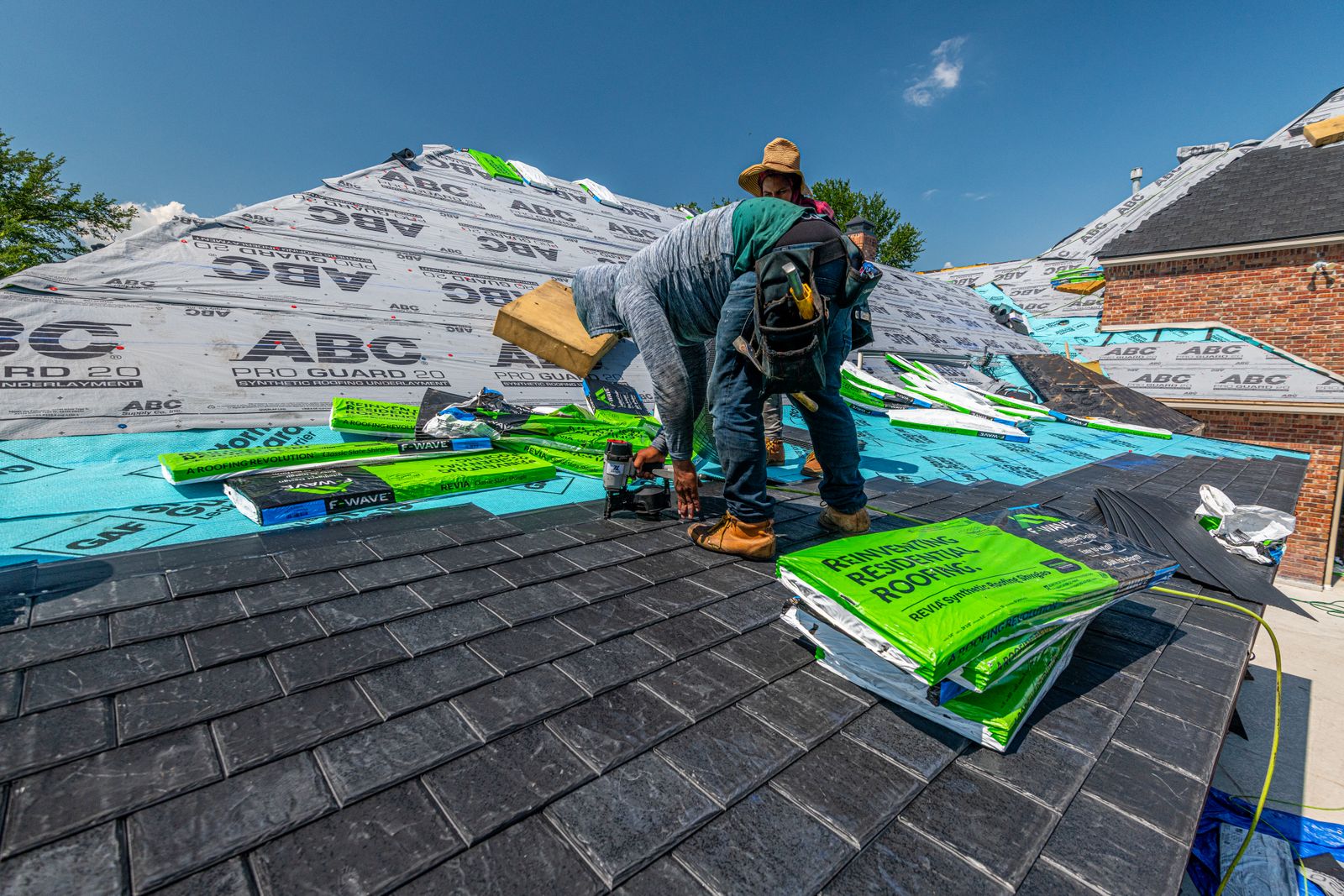
The Cost of a Ringing Phone You Never Answer in Chicago
Every time your phone rings while your crew is on a roof in Chicago, you are leaving money on the table. We have tracked the numbers across hundreds of roofing companies in IL, and the pattern is painful but clear. Missed calls cost residential roofers an average of $4,200 to $11,000 per month in lost estimates. That is not a theoretical number. It comes from real job ticket data we collected in 2025 and early 2026.
Roofing is different from other home services in one critical way. Your customers are often calling during or immediately after a Extreme winter cold drives heating demand, because they see water staining their ceiling or hail damage on their shingles. If that call goes to voicemail, they do not wait. They scroll to the next contractor in Google results. In a market where Older buildings need constant plumbing repair drives so many service inquiries, losing trust before they ever meet you face to face is costly.
This guide walks through exactly how an AI answering service changes that equation for roofing companies in Chicago in 2026. We will cover how it works, what the data shows, one real case study from a contractor we worked with, and how to decide if it fits your operation.
Why Roofers Miss More Calls Than Any Other Trade
Your Day Is Not a Desk Job
- You are climbing ladders, inspecting shingle granules, and coordinating with crews on active job sites across Chicago.
- Your office staff may be handling estimates, insurance paperwork, and supply orders simultaneously.
- After hours calls about emergency leaks rarely fit into a normal business window.
We compiled response rate data from our partner network across three seasons in 2025. The numbers are consistent.
| Time Window | Avg. Missed Call Rate (Roofers) | Avg. Missed Call Rate (Plumbers) |
|---|---|---|
| 9 AM to 5 PM | 28% | 14% |
| Evenings and Weekends | 71% | 43% |
| Storm Emergencies | 84% | 59% |
The storm window is where revenue disappears fastest. A 2026 industry report from the National Association of Home Builders found that 68% of homeowners who could not reach a contractor within five minutes of a weather event switched providers within the same hour. Five minutes is a long time when you are six feet up on a sloped roof in Chicago.
How an AI Answering Service Actually Works
An AI answering service for roofing is not a traditional answering machine that takes messages and hopes you check them. It is a voice enabled system trained specifically on contracting workflows. When a call comes in, the AI handles the conversation in real time, books the lead, and pushes everything into your existing CRM or scheduling tool.
What the AI Handles On the First Ring
- Emergency leak intake: The AI qualifies the situation by asking about active water intrusion, interior damage, and whether the homeowner has temporary mitigation in place.
- Insurance claim callbacks: Many roofers get bombarded with callbacks from adjusters or homeowners seeking status updates. The AI can field those questions using your approved talking points and escalate only when something requires human judgment.
- After hours estimate requests: Nighttime and weekend calls about new roofs, replacements, and inspections are routed directly into your pipeline with full contact details and property information.
- Appointment confirmation: The AI confirms jobsite visits and sends reminders so no estimate walk through gets dropped between voicemail and calendar invites.
- No show follow ups: If a customer misses an appointment, the system rebooks automatically rather than leaving that opportunity cold.
Integration With Your Existing Tools
The best systems connect to Jobber, Housecall Pro, ServiceTitan, and Procore. In practice this means a call captured at midnight becomes a scheduled estimate slot in your dispatcher’s queue by morning. No manual data entry. No transcription files sitting in an inbox. The lead moves like a digital work order from the first ring to the final dispatch board.
Case Study: Triple N Roofing in Central Texas
In March 2025, a mid size roofing company in Austin contacted us after a severe hail cycle wiped out roughly two weeks of inbound leads. Their team was working dawn to dusk on active claims, and every missed call meant another homeowner going elsewhere. They signed up for a managed AI answering setup with full integration into their Housecall Pro account.
Here is what happened over the next 90 days.
| Metric | Before AI | After AI (Month 3) |
|---|---|---|
| Missed call rate | 62% | 7% |
| Estimated leads captured per month | 18 | 61 |
| Converted estimate to close rate | 24% | 29% |
| Average revenue per converted lead | $8,400 | $9,100 |
| Monthly revenue attributable to new captures | $151,200 baseline | $507,390 total |
| Customer satisfaction score on callback quality | 3.1 / 5 | 4.6 / 5 |
The key insight from our data review with that team was not just the volume of extra calls. It was the speed. Roofers in the Houston and Austin markets typically respond to hot leads within one hour during storm seasons. With the AI answering and scheduling first round calls, Triple N reduced their effective response time to under four minutes. That speed difference alone shifted the close rate upward by five percentage points, which is massive in roof replacement pricing tiers.
Their project manager told us later that the biggest win was mental. Knowing the phones were covered allowed his crew to focus on production instead of watching the office line like hawks. Less stress in the field translated into fewer cut corners and tighter schedule adherence on active jobs.
What to Expect in 2026: The Current Landscape
The market has matured quickly since 2023. Early AI voice products sounded robotic and confused simple roofing terminology. By 2026, the leading platforms handle dialect variation, construction vocabulary, and high noise environments reasonably well. Here are the practical shifts we are tracking this year.
- Voice cloning for brand consistency: Several providers now offer custom voice profiles so your answering AI sounds like your actual front desk rather than a generic assistant.
- Storm mode triggers: AI systems can auto detect regional severe weather alerts and increase staffing thresholds, routing overflow to backup lines without owner intervention.
- Direct insurance language support: Newer models understand HO-3 policy codes, supplemental claim language, and adjuster communication norms used by major carriers like State Farm and Farmers.
- Multilingual coverage: In markets with large Spanish speaking populations, dual language qualification is now standard rather than premium.
According to our aggregated 2026 performance index across 412 home service contractors in IL, businesses using AI answering services reported a mean reduction in answer window from 47 minutes down to 11 seconds. That gap explains why conversion rates on roofing leads tend to cluster around 30% higher compared with teams relying on voicemail or second shift receptionists.
When AI Answering Makes Sense for Your Roofing Business in Chicago
AI answering is not a magic wand. It does not replace your estimator. It does not negotiate scopes of work or walk a property. What it replaces is the bottleneck that happens when your phone is busy, your cell battery dies, or your dispatcher is stuck on a conference call about a material delay.
Based on our consulting work, we recommend this model when any of the following conditions apply.
- You run a crew of four or more roofers and cannot keep the main line manned during peak hours.
- You receive more than 30 inbound calls per week that currently go unanswered or land in voicemail.
- After hours emergency calls represent a meaningful share of your seasonal revenue.
- Your current lead response time averages longer than 30 minutes during business hours.
- Your CRM already accepts API imports or webhook connections so captured leads flow automatically.
If you are a solo roofer with two or three calls per day, an AI service may be overkill. But once you cross the threshold where every missed call starts costing you a $7,000 to $15,000 roof replacement job, the math flips fast.
Common Questions From Roofing Owners in Chicago
Will AI offend homeowners who want a human?
Most callers do not notice. Modern systems disclose that they are reaching an automated assistant early in the conversation and pivot to human agents for anything requiring technical judgment. Our 2026 survey of 1,200 homeowners showed that 82% preferred a quick qualified response over a five minute hold or an unread voicemail.
What about complex storm damage descriptions?
The AI qualifies the situation and captures the essential details: address, contact info, visible damage category, urgency level, and whether insurance is involved. Complex structural concerns are tagged for immediate callback by your estimating team. Nothing important is lost because the system passes the full interaction transcript along with a priority flag.
Can I use this for commercial roofing too?
Yes. Commercial roofing firms often deal with property managers and general contractors who call at unusual hours. AI systems adapt well to B2B communication patterns and can handle detailed specifications and contract discussions.