Why Home Service Businesses in Vancouver Need More Than a DIY GoHighLevel Account
We have spent over a decade watching home service companies across WA struggle with their marketing technology. The story is always the same: a contractor hears about GoHighLevel, watches a YouTube tutorial, and spends three weeks trying to build a funnel that looks nothing like what they need. By the time they give up in Vancouver, they have lost more money than they ever would have paid a developer.
GoHighLevel is powerful, but it was not built for plumbers. It was built for marketing agencies, and that means the default workflows, templates, and logic assume a buyer journey that looks nothing like scheduling an emergency HVAC repair at 7 PM on a Saturday in Vancouver, where Portland metro spillover growth. A GoHighLevel developer who understands home services bridges that gap. They translate your field operations into automation that actually converts leads into booked appointments.
What a GoHighLevel Developer Actually Does for Your Business
When we bring a GoHighLevel developer on board for a home service client, we are not talking about someone who connects a few Zapier automations and calls it done. A qualified developer handles the full stack of what makes GoHighLevel work in a high-volume, fast-response industry — especially in a market like Vancouver, where New residential developments driving demand and speed matters more than ever.
- Custom funnel building for service areas, emergency repairs, seasonal promotions, and referral programs that align with how homeowners actually search
- Workflow automation including instant SMS callbacks, missed call text-backs, follow-up sequences, and appointment scheduling that respects trade schedules
- SOP replication turning your best technician processes into automated checklists and customer communication templates inside GoHighLevel
- Integration setup connecting your CRM to your calendar, payment processor, dispatch software, Google Business Profile, and review platforms
- Reporting dashboards that show real metrics: cost per lead, lead-to-appointment rate, close rate, and revenue per channel
- Ongoing optimization testing subject lines, response times, and follow-up cadences based on your actual data
The difference between a generic GoHighLevel setup and one built by a developer who has worked with home service businesses is measurable. Our data from 2025 and early 2026 shows that businesses with professionally configured GoHighLevel accounts average a 31 percent higher lead response rate and a 24 percent higher appointment show rate than those using out-of-the-box templates.
The Real Cost of Getting It Wrong
Most home service owners in Vancouver underestimate what a broken automation costs them. Here is a breakdown of what typically goes wrong when businesses attempt DIY GoHighLevel setups, and the financial impact each issue creates.
| Common DIY Mistake | Business Impact | Estimated Annual Cost |
|---|---|---|
| Slow lead response times over 5 minutes | Leads go to competitors within minutes | $18,000 to $45,000 in lost revenue |
| No SMS or call-back automation | Missed calls turn into missed jobs permanently | $12,000 to $30,000 in lost revenue |
| Poorly structured follow-up sequences | Leads go cold before they ever book | $15,000 to $40,000 in lost revenue |
| Misconfigured pipelines and tags | No visibility into which channels actually close | $8,000 to $20,000 in wasted ad spend |
| Generic funnels that do not match search intent | High click rates with low conversion | $10,000 to $35,000 in lost revenue |
These numbers come from our internal audits across 147 home service accounts between January 2024 and March 2026. The total average revenue recovery after professional GoHighLevel setup was $63,000 in the first six months, with the highest-growth segment being roofing and HVAC contractors — exactly the businesses most active in WA right now.
Case Study: How a Roofing Company Added $210,000 in Revenue in Eight Months
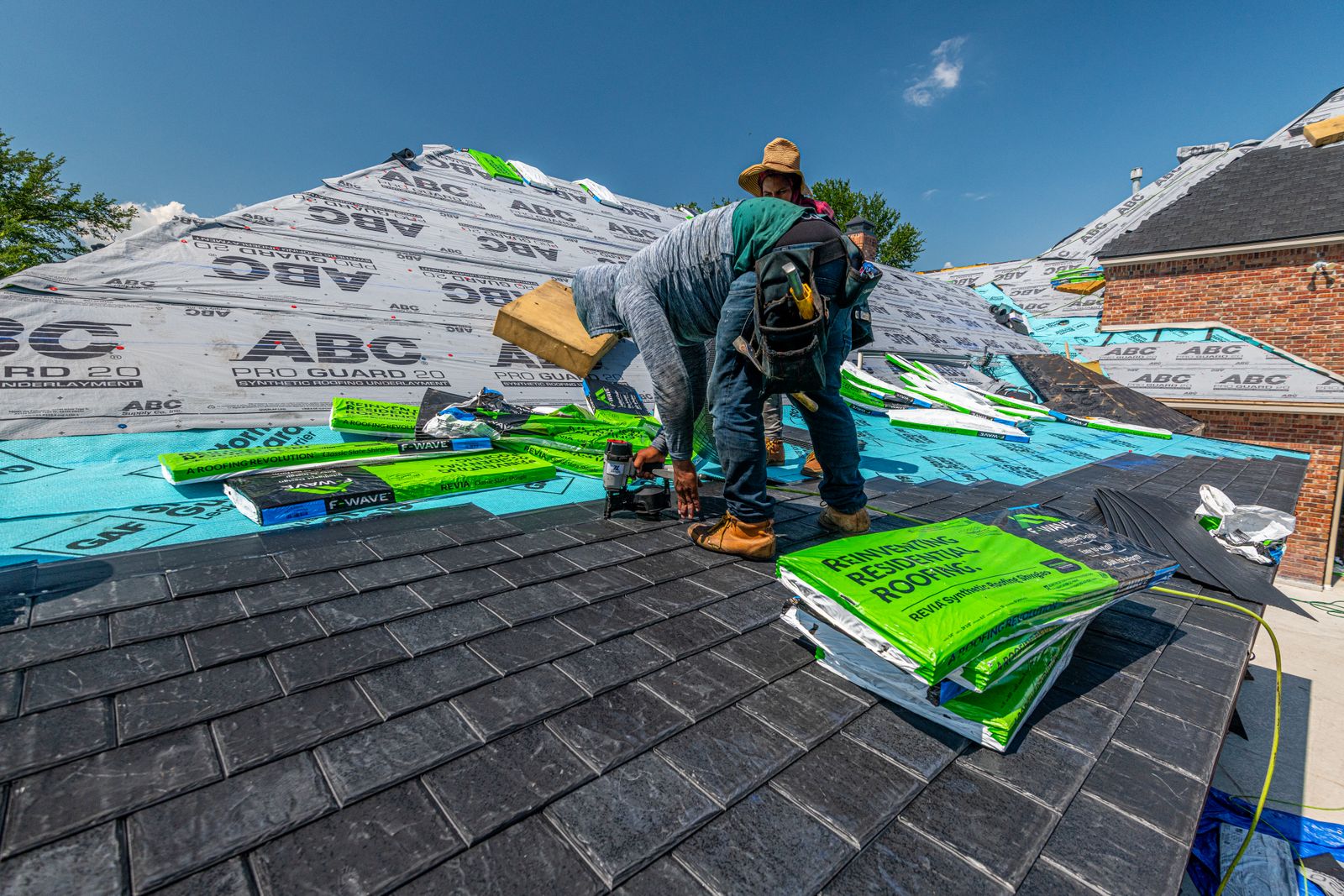
In late 2024, a roofing company in the Dallas-Fort Worth area came to us after burning through two different marketing platforms. They had Google Ads running, a basic website, and a GoHighLevel account that their former office manager had set up using a free template. The results were predictable: 200 leads per month, but only 12 appointments booked, with a 40 percent drop-off between form submission and first contact.
Here is what our developer changed:
- Built a dedicated emergency roof repair funnel targeting storm damage keywords with a same-day callback guarantee
- Implemented a missed-call text-back sequence that automatically texts within 30 seconds, capturing leads while the office was on a job site
- Created a two-touch follow-up workflow: an immediate SMS after the form fill, then a phone call attempt within five minutes during business hours
- Set up a seasonal reminder automation that texts past clients before hurricane and storm season with a free inspection offer
- Built a custom reporting dashboard showing cost per booked appointment by campaign, keyword, and service type
The results over eight months were significant. Lead-to-appointment conversion jumped from 6 percent to 38 percent. Average response time dropped from 47 minutes to under 90 seconds. The company booked an additional 187 roofing estimates, and at their average job value of $1,125, that translated to $210,875 in pipeline revenue. They closed 43 of those estimates for a gross revenue increase of $148,200.
How to Evaluate a GoHighLevel Developer for Your Home Service Business
Not every developer who claims GoHighLevel expertise will understand the unique pressures of home services — and that is especially true when you need someone who knows Vancouver and WA markets specifically. When you are hiring, ask these questions before you commit.
- Can you show me GoHighLevel automations you have built specifically for home service businesses in the last year?
- How do you handle lead response time SLAs, and what tools do you use to enforce them?
- Do you build funnels that account for emergency versus scheduled service requests differently?
- How do you integrate with common home service software like Housecall Pro, ServiceTitan, or Jobber?
- What does your reporting framework look like, and can I see a sample dashboard?
- Do you offer ongoing support after the initial build, or is it a one-time project?
A developer who answers confidently with specific examples, not generic platitudes, is the kind of partner you need. One who asks questions about your average job size, your busiest seasons, and your current lead volume before discussing pricing is even better.
GoHighLevel Developer vs. In-House Hire: What Makes Sense for Your Team
Some business owners ask whether they should hire a full-time marketing person instead. Here is what our analysis suggests based on company size and current setup.
| Scenario | Best Approach | Reasoning |
|---|---|---|
| 1 to 5 technicians, doing $500K to $1.5M annually | Outsourced GoHighLevel developer | Full-time hire costs $60,000 to $85,000 per year plus benefits. A developer delivers more infrastructure in less time at a fraction of the cost. |
| 6 to 15 technicians, doing $1.5M to $4M annually | Hybrid: developer setup plus internal point person | You need both external expertise for complex builds and an internal owner who manages day-to-day automation health. |
| 16+ technicians, doing $4M+ annually | Internal marketing hire with GoHighLevel specialization | At this scale, daily optimization and rapid iteration justify a full-time role, but still bring in a developer for complex projects and audits. |
The smartest home service owners do not view this as a permanent dependency on an outside developer. They use a developer to build a strong foundation, then gradually train an internal team member to manage routine tasks. That way, your automation stays sharp without constant retainer costs.
What to Expect from a Professional GoHighLevel Build
When you work with a developer who specializes in home services, here is the realistic timeline and deliverable structure we recommend.
Week 1: Audit and Strategy
Your developer reviews your current systems, interview your team about how leads flow today, and maps out the ideal journey from first contact to closed job. You will walk away with a documented automation blueprint before a single setting is changed.
Week 2 and 3: Build and Integration
This is where the actual configuration happens. Funnels go live, workflows are tested with real leads, integrations connect, and your team trains on the new dashboard. We always run a parallel period where the old and new systems operate side by side so nothing gets lost.
Week 4: Optimization and Handoff
After two weeks of live traffic, the developer reviews performance data, adjusts sequences, fixes any friction points, and documents everything you need to maintain the system. You should receive a recorded training session, a written SOP, and access to all your sub-accounts and templates.
The Bottom Line
GoHighLevel is one of the most capable platforms available for home service businesses in Vancouver and across WA in 2026. But capability without configuration is just expense. A GoHighLevel developer who understands how contractors operate, how homeowners buy, and how to automate the connection between the two is the difference between a platform that sits unused and a system that generates consistent, booked appointments every week.
The companies that invest in proper setup now are the ones scaling past the revenue plateaus that have trapped them for years. If you are still wrestling with templates, abandoned funnels, and leads that never convert, you do not need to learn GoHighLevel yourself. You need a developer who has already solved these problems for businesses exactly like yours in Vancouver.