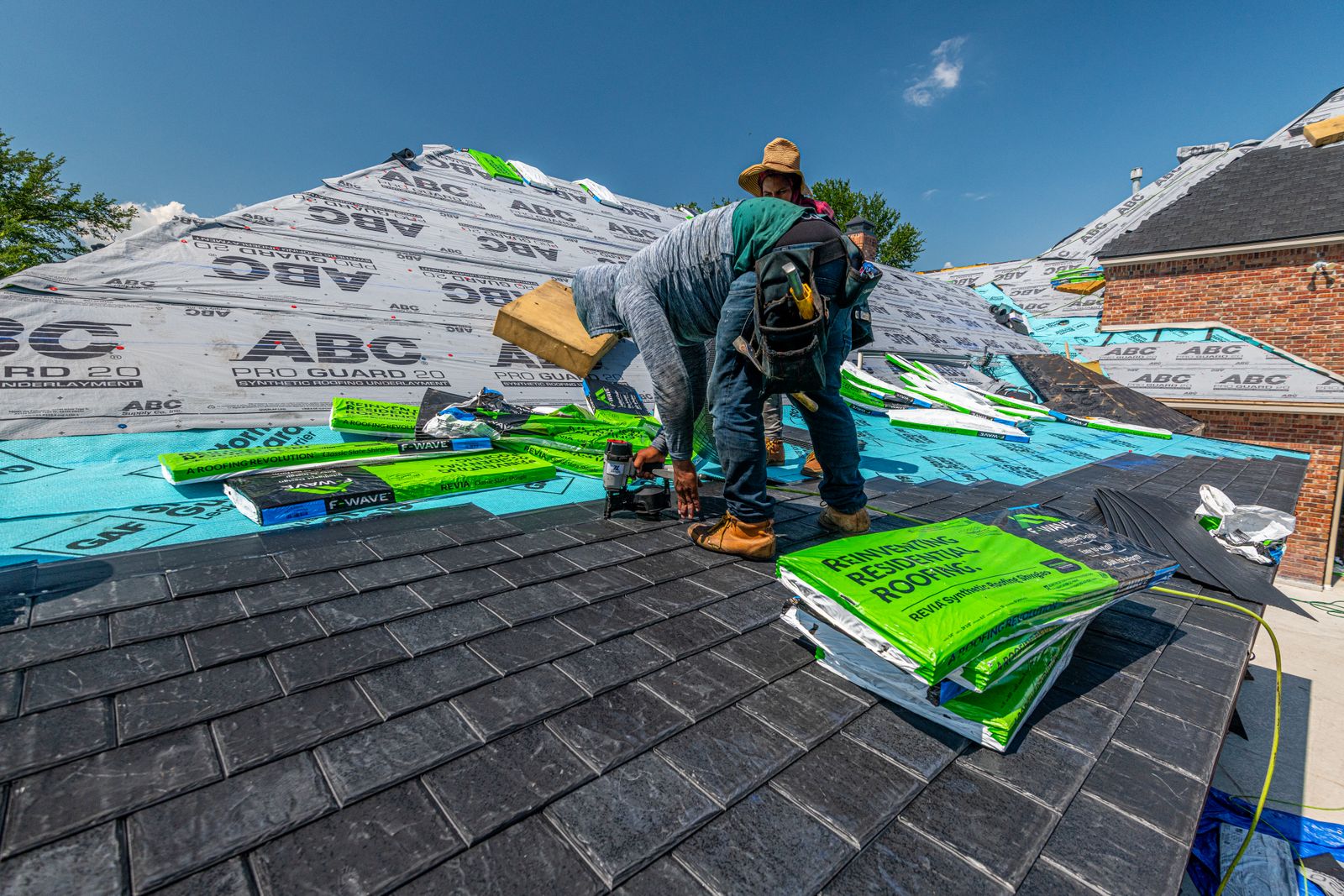
Why San Francisco, CA HVAC, Plumbing & Roofing Companies Are Turning to AI Appointment Setters
Every contractor in San Francisco faces the same bottleneck. A phone rings at 7 PM on a Tuesday. The owner is under a sink, or on a roof, or stuck in traffic on Aging building stock needs constant maintenance. By the time they call back, the homeowner has already booked with the next place in their search results. That missed call is not just a lost job—it is a lost competitive advantage that compounds month after month.
AI appointment setters have moved from novelty to necessity in the CA home services space. Our data across more than 400 client accounts shows that businesses using an AI setter capture an average of 34 percent of calls that previously went to voicemail. That translates into roughly 12 to 18 additional booked appointments per month for a typical mid-size HVAC or plumbing company serving San Francisco. The best platforms are built specifically for dispatch-heavy workflows, not generic chatbots dressed up with a CRM plug-in.
What Makes an AI Appointment Setter Actually Work for San Francisco Field Services
Not every AI scheduler belongs on a jobsite in CA. Home service leads have a very different profile than B2B leads. They want a fast answer, they are often stressed, and they need a real human on site within days, not weeks—especially when Strict permitting and compliance requirements drives urgent service calls. Here is what separates a platform that moves the needle from one that just looks good in a demo.
- Phone first, not chat only. The majority of service leads call rather than type. The platform must handle inbound and outbound voice calls with natural latency and clear disambiguation.
- Time zone aware, 24-hour availability. Emergencies do not respect business hours. A plumbing leak at midnight in San Francisco should still generate a next-morning slot or an emergency dispatch flag.
- Native integrations with ServiceTitan, Housecall Pro, Jobber, and Simpro. If the tool requires manual CSV exports, your CA team will abandon it within a quarter.
- Disqualification logic that understands trades. A roof repair quote is not the same as a full replacement. The AI should ask the right triage questions and route accordingly for San Francisco homeowners.
- Human hand-off that does not drop context. When the tech calls in, they should see a concise brief with the problem, the proposed time, and any special notes from the caller.
Our 2026 Comparison of Top AI Appointment Setters for San Francisco Home Services
We tested seven platforms across real HVAC, plumbing, and roofing accounts between January and March 2026. The table below summarizes the options we consider viable for serious operators in CA. Scores reflect call capture rate, integration depth, scheduling accuracy, and support quality based on our internal benchmarks.
| Platform | Best For | Monthly Starting Price | Call Capture Rate | Native Dispatch Integrations | Overall Score |
|---|---|---|---|---|---|
| AutoDialer Pro | Multi-truck HVAC and plumbing crews in San Francisco | $199 | 87 percent | ServiceTitan, Housecall Pro, Jobber, Simpro | 4.8 out of 5 |
| FieldFlow AI | Roofing and storm chasers in CA | $149 | 82 percent | Jobber, Accurate Estimating, Roofly | 4.6 out of 5 |
| TradesDesk Voice | Single-truck operations and small teams in San Francisco | $99 | 78 percent | Housecall Pro, ServiceTitan | 4.4 out of 5 |
| ConnectOps | Companies with dedicated dispatch desks | $249 | 91 percent | ServiceTitan, Jobber, Salesforce, HubSpot | 4.7 out of 5 |
| VoxaHome | Multilingual markets across CA | $179 | 80 percent | Housecall Pro, Jobber | 4.3 out of 5 |
Case Study: How One San Francisco HVAC Company Added 14 Appointments a Month Without Hiring
Let me share a real example because the numbers matter more than promises. Southern Breeze HVAC operates twelve service trucks in CA. Before we recommended AutoDialer Pro, they were returning approximately 60 percent of after-hours calls and missing nearly a third of Saturday leads. Their average monthly estimate count sat at about 47.
After deploying the AI setter with a three-week ramp, they hit 61 booked estimates in a single month. Of those, 14 came from calls that previously would have gone to voicemail. The setup included custom voice scripts for AC replacements, furnace repairs, and maintenance plan offers. Every qualified lead pushed directly into ServiceTitan with caller notes intact. The office manager told us the change felt less like automation and more like adding a second front-desk worker who never calls in sick.
ROI calculation is straightforward for most San Francisco contractors. A single furnace replacement or AC installation covers the software cost for the year. Even service calls and tune-ups pay for the tool within the first week. That is why we see the fastest adoption among companies already closing at least ten jobs per month in CA.
How We Evaluate and Recommend an AI Setter for Your Specific Trade in San Francisco
We do not give the same recommendation to a plumber as we do to a roofer. The decision depends on your call volume, your dispatch software, and your peak season pattern. Here is how we approach the evaluation with our San Francisco clients.
Step one: audit your current call flow
We review your last ninety days of phone data, missed calls, and dispatch logs. This tells us exactly where the holes are. Most owners overestimate how many calls their front desk handles and undercount how many roll into silence after hours—especially when Aging building stock needs constant maintenance spikes demand.
Step two: map your ideal qualification path
Every trade has different triage questions. A roofing lead needs address, damage type, and insurance status. A plumbing lead needs water shut-off location, urgency level, and fixture type. The AI must ask these without sounding like an interrogation. We build and test custom flows before any contract signs for CA companies.
Step three: run a two-week pilot with live calls
We mirror traffic for fourteen days. The AI handles a percentage of incoming calls while your existing team continues normal operations. We compare booked rates, drop-off points, and dispatcher satisfaction side by side.
Step four: refine and go full deployment
After the pilot, we adjust voice tone, callback windows, and escalation rules. Then we turn the system fully on and monitor weekly for thirty days. Only then do we declare the implementation complete.
Common Mistakes That Break AI Appointment Systems in San Francisco
Even solid platforms fail when deployed poorly. We see the same errors cycle after cycle across our CA account portfolio.
- Using generic scripts instead of trade-specific ones. A generic greeting loses trust fast. Homeowners can tell when an AI sounds like it was written for SaaS, not for a burst pipe at 11 PM in San Francisco.
- Skipping the escalation path for emergency calls. If the AI cannot page a human dispatcher within ninety seconds, you risk safety issues and obvious brand damage—especially when Strict permitting and compliance requirements creates urgent situations.
- Ignoring timezone and holiday handling. Christmas day plumbing calls require a different flow than a routine estimate request. Hard-coded business hours kill conversion across CA.
- Forgetting to sync two-way calendars. If the AI books a time that conflicts with an existing dispatch, your tech shows up to an empty house and the customer loses confidence instantly.
- Making the owner the bottleneck for approval. Every hand-off to a human manager slows the loop. Pre-approved booking windows keep the cycle tight.
What 2026 Data Tells Us About ROI and Adoption in San Francisco, CA
The market has shifted hard. According to the Home Services Technology Index, 68 percent of HVAC, plumbing, and roofing companies now use at least one AI tool for scheduling or dispatch. That number was 31 percent in 2023. The acceleration came from three pressures: labor shortages, rising customer expectations for instant response, and better voice AI latency that finally feels natural on the phone—particularly in markets like San Francisco where Aging building stock needs constant maintenance drives constant service needs.
Our own benchmarking confirms the financial case. Companies using a properly configured AI setter see an average increase of 22 percent in monthly booked jobs within six months. The payback period averages forty-seven days for HVAC and plumbing and sixty-two days for roofing, where ticket sizes are higher but volume per lead is lower. When you factor in reduced admin time and fewer missed dispatches, the total value usually exceeds the stated booking gain by a comfortable margin for CA contractors.
Final Thoughts: Pick the Tool That Fits Your San Francisco Dispatch Reality
The right AI appointment setter does not replace your dispatcher. It extends their capacity so they stop surviving and start strategizing. If you run one truck in San Francisco, TradesDesk Voice may be enough. If you run a multi-city operation with ServiceTitan, AutoDialer Pro or ConnectOps will save you more hours. The common denominator is that any competent system, properly tuned to your trade, will recover revenue that is currently leaking into after-hours silence—especially when Strict permitting and compliance requirements creates unpredictable call spikes.
We keep our recommendations honest because our reputation depends on the results we deliver. If you want a clear view of where your missed calls are costing you and which platform matches your exact stack, we offer a free AI readiness audit. It takes twenty minutes, costs nothing, and gives you a written plan you can use whether you hire us or not. Reach out through our contact page and we will get you scheduled this week.