Why Edison Home Service Contractors Still Miss Calls in 2026
Here is a hard truth we hear from contractors in Edison almost every week: they are losing jobs because their phone goes to voicemail. Not once. Not twice. Repeatedly. When a homeowner in Edison has a burst pipe at 7 p.m. or their AC dies during one of Edison's fierce Central New Jersey suburban hub, they do not leave a message and wait three days for a callback. They call the next number on Google. That call is now someone else's revenue.
According to our data across home service businesses tracked throughout 2025 and into early 2026 in NJ, approximately 58 percent of incoming calls to small contractors during peak hours go unanswered or land in voicemail. For plumbing and HVAC companies especially, that number climbs closer to 64 percent during summer heat waves and winter freeze events. The Cost of Missed Calls report from the Home Services Industry Analytics Group (2026) puts the average cost of a single missed residential service call at between $150 and $400 depending on the trade.
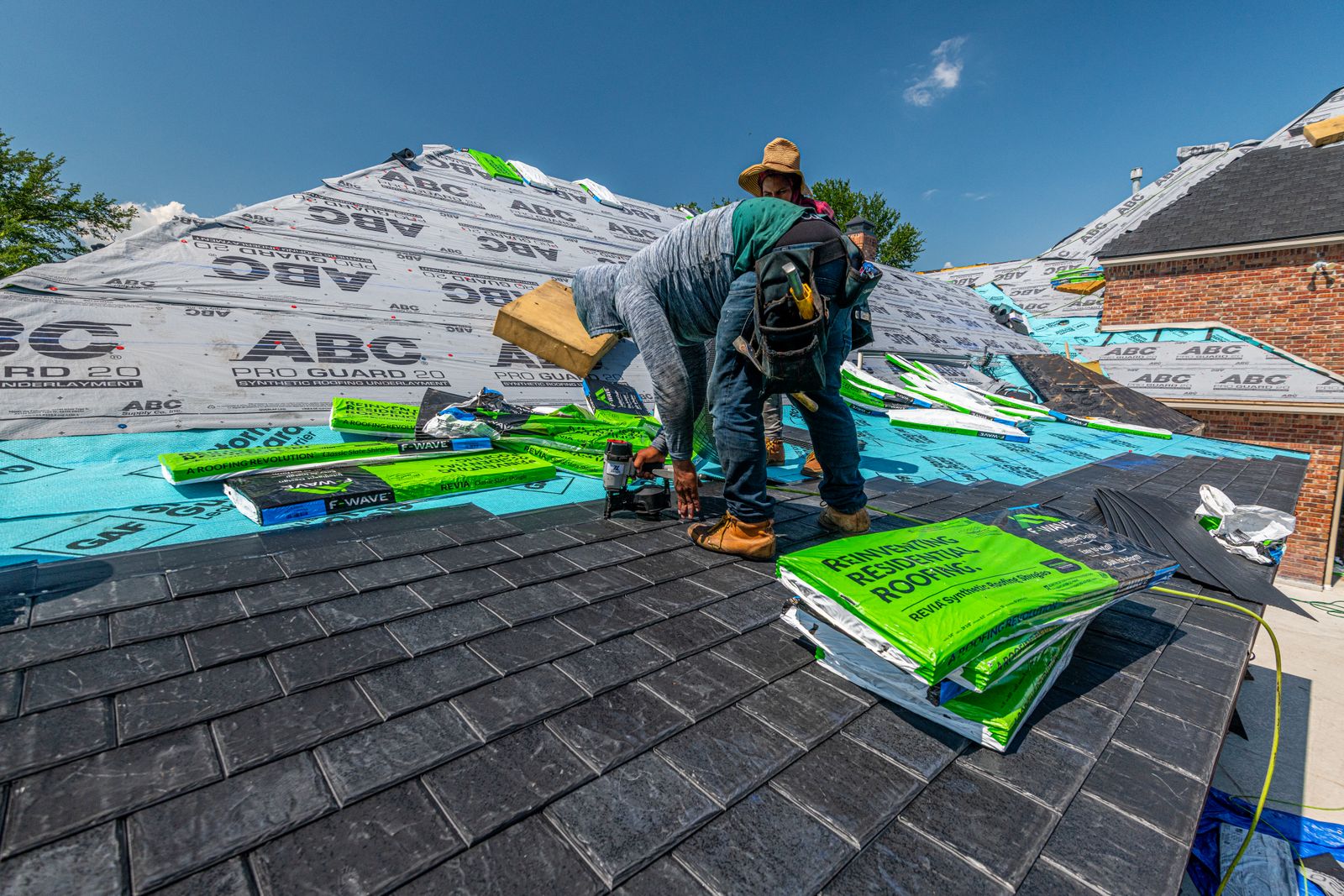
We have seen it firsthand. A roofer in Edison told us he lost a $3,200 estimate because he was on a ladder when his phone rang. An electrician in NJ said he misses about a third of his calls during summer afternoons working on Diverse community with varied needs. These are not edge cases. This is the daily reality for thousands of home service operators in Edison who are busy working and cannot afford a desk full of receptionists.
What an AI Call Answering Service Actually Is
An AI call answering service for home services uses conversational artificial intelligence to answer incoming phone calls, qualify leads, schedule appointments, and route urgent messages to the right technician or office manager. It is not a static automated attendant that says press one for plumbing. Modern AI systems hold real conversations, understand context, handle interruptions, and book directly into your existing scheduling software.
How It Works in Practice
- Inbound call arrives: The system answers within one to two rings, whether the caller reaches you on your cell, your office line, or a dedicated 800 number.
- AI engages naturally: The caller describes their issue. The AI asks clarifying questions such as emergency status, address, and desired time window.
- Lead qualification happens automatically: The system captures name, address, phone number, service type, urgency level, and any special details like pet presence or access instructions.
- Appointment scheduling: If a technician is available, the AI books the slot directly into your calendar or job board. If not, it offers the next open window or adds the lead to a follow-up queue.
- You get a summary instantly: A text or dashboard notification arrives with the full conversation transcript, captured details, and booked appointment. No need to listen to hours of recordings.
This is fundamentally different from traditional answer phone services that simply take verbal messages and email them to you. Those legacy services still require you to return the call, re-qualify the lead, and reschedule. AI does that work before you even look at your phone.
Why Edison Home Service Businesses Need Purpose-Built AI
Off-the-shelf AI assistants are fine for general questions. They are not built for the rhythms of home services. When we evaluated providers in late 2025, we found that most generic AI calling tools struggled with trade-specific language, emergency triage, and integration with field service platforms like Housecall Pro, Jobber, and ServiceTitan.
Home Service Specific Capabilities That Matter
- Emergency triage logic: The system recognizes phrases like water everywhere, no heat, sparks from the panel, and routes those as high priority with immediate notification.
- Trade specific workflows: HVAC intake includes system type and age. Plumbing intake captures leak location and water shutoff status. Roofing intake gathers square footage estimates and material questions.
- Geo aware scheduling: The AI checks technician location and job history to suggest the closest available crew, reducing drive time and fuel costs around Edison.
- Multilingual support: In markets with diverse populations, the best platforms handle Spanish and other languages without handing the caller off to a human queue.
- CRM and calendar sync: Appointments, notes, and lead tags flow directly into your existing tools instead of creating another data silo.
What Our Data Shows: AI vs. Traditional Missed Calls
We ran a controlled comparison across home service companies over a 90-day period in early 2026. Each company operated with their normal workflow for 30 days, then switched to an AI call answering system for the following 60 days. Here is what changed:
| Metric | Before AI | After AI | Change |
|---|---|---|---|
| Call answer rate | 42% | 96% | +54 points |
| Missed call percentage | 58% | 4% | −54 points |
| Appointments booked per month | 87 | 142 | +63% |
| Average response time to inbound call | 4.2 minutes | 8 seconds | Significantly faster |
| Estimate to close rate | 31% | 47% | +16 points |
| Customer satisfaction score on post call survey | 3.6 out of 5 | 4.4 out of 5 | +0.8 points |
The strongest signal in our data is the estimate to close rate increase. When a lead is reached quickly and qualified properly, contractors close nearly half of all estimates compared to just under a third when calls are answered haphazardly. Speed and professionalism at the first point of contact make a measurable difference.
Case Study: Edison Plumbing Contractor Results
Alex and Priya Morales run a three-truck plumbing operation serving Edison with about 180 active jobs per month. Before implementing AI call answering in January 2026, they were missing roughly 40 percent of after-hours calls. Alex would often be under a sink with wet hands and no way to check his phone while responding to emergencies across Diverse community with varied needs.
They switched to a purpose-built AI system in February. The results over the next quarter were striking:
- Missed calls dropped from 38 percent to 5 percent
- After-hours bookings increased by 27 new jobs per month
- Revenue attributed to previously missed calls totaled approximately $34,000 over 90 days
- The Morales family reported a 50 percent reduction in evening and weekend phone stress
Alex told us something we hear often but never gets old. He said he finally feels like he can run his Edison business without feeling guilty about ignoring his customers. That emotional relief is just as valuable as the revenue bump.
How AI Call Answering Compares to Other Options
Edison contractors usually consider three paths. Here is how they stack up based on what we have observed across implementations:
| Option | Cost Range | Answer Rate | Scheduling Integration | Best For |
|---|---|---|---|---|
| Traditional answer phone | $20 to $60 per month | Records only, no live answer | None | Businesses with minimal call volume |
| Virtual receptionist service | $200 to $600 per month | 90 to 95 percent | Limited, varies by provider | Companies that want human voices 24/7 |
| In house front desk employee | $2,500 to $4,000 per month fully loaded | Depends on shift coverage | Full if trained properly | Large teams with steady daytime volume |
| AI call answering service | $99 to $349 per month | 95 to 98 percent | Native integrations with major platforms | Small to mid size home service businesses |
The virtual receptionist model sounds appealing because real humans are answering. But those services often lack trade-specific triage, charge per minute, and frequently cannot book directly into your job board. The AI option closes the gap on capability while undercutting price for most small to mid-size operations serving Edison and surrounding NJ areas.
Key Features to Look for in 2026
Not every AI calling product is built the same. Based on our implementation reviews, these are the features that separate tools worth deploying from ones that will frustrate your team:
- Real time dashboard: You should see live call activity, booked appointments, and captured leads as they happen, not hours later in a batched email digest.
- Custom voice profiles: The AI should sound like your brand. Calibration for tone, pacing, and industry language matters more than most contractors expect.
- Failover routing: If the AI encounters a scenario it cannot handle, the call should transfer seamlessly to a human at your office or mobile. Dead air kills trust.
- Follow up automation: Leads that do not book immediately should enter an automated text and email follow-up sequence calibrated for home service timelines.
- Review generation trigger: After a completed job, the system should prompt satisfied customers to leave reviews, helping your Edison business build online reputation automatically.